
Quick facts about lymphoma
Lymphoma is a type of blood cancer which develops in a type of white blood cell known as a lymphocyte
Despite its name, lymphoma may also develop in areas other than lymph nodes
Non-Hodgkin lymphoma is the most common type of blood cancer in New Zealand, accounting for approximately 85% of lymphoma cases
Types of lymphoma
There are two different types of lymphoma:
-
Non-Hodgkin lymphoma (NHL)
Non-Hodgkin lymphoma is caused by changes to B-cell and T-cell lymphocytes and is the most common type of blood cancer. There are many different subtypes of non-Hodgkin lymphoma which are divided into ‘B-cell’ or ‘T-cell’ lymphomas. These abnormal cells eventually become tumours that commonly form in the lymph nodes.
-
Hodgkin lymphoma (HL)
Hodgkin lymphoma is a rarer type of lymphoma, accounting for less than 1% of lymphoma cases. Unlike non-Hodgkin lymphoma, abnormal B-cell lymphocytes known as Reed-Sternberg cells are present in Hodgkin lymphoma. The cancer is usually found at an early stage and typically spreads through the lymph nodes.
Signs and symptoms of lymphoma
As signs and symptoms for lymphoma can be similar to other common conditions, it’s important to see your GP or healthcare professional if you experience any of the symptoms below. Discussing anything concerning as soon as possible can help give you peace of mind and offer the best chance of successful treatment if you receive a lymphoma diagnosis.
Symptoms may include:

Night sweats

Tiredness

Itchy skin

Loss of weight and appetite

Swollen, painless lymph nodes under the arms, neck or groin

Fever

Pain in the chest, coughing and/or trouble breathing

Chronic infection

Enlarged stomach due to swollen lymph nodes or spleen
Stages of lymphoma cancer
The most common system used to stage lymphoma is the Ann Arbour staging system, which helps define what your cancer looks like.
This staging system uses information such as the number of lymph node groups affected to determine the stage of your lymphoma using the guidelines below:
-
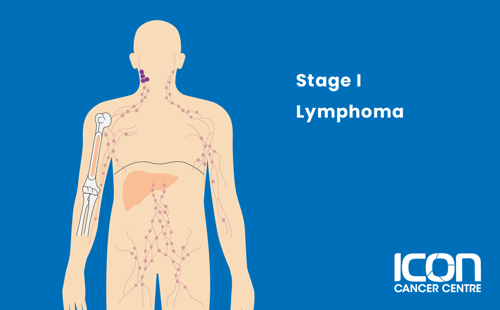
Stage I
Cancer cells have been found in only one group of lymph nodes.
-
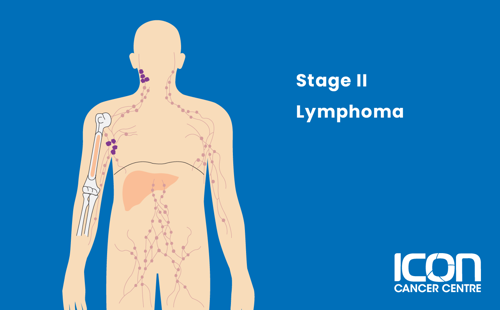
Stage II
Two or more lymph node groups have been affected which are localised to either the top or bottom half of the body.
-
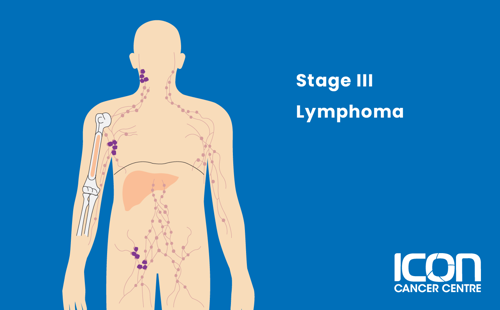
Stage III
Two or more lymph node groups have been affected in both sides of the body.
-
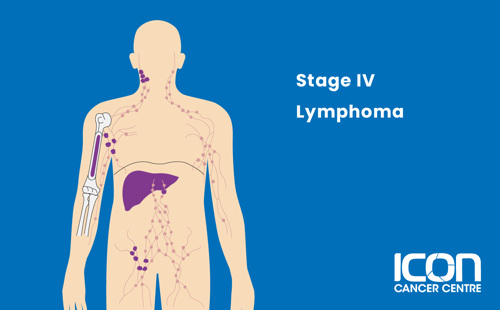
Stage IV
Lymph node groups are affected as well as one or more organs, such as your bone marrow or liver.
Treatment for lymphoma
There are many different types of treatment for lymphoma. Your treatment will depend on you and your cancer.
Frequently asked questions
Helpful resources
References
More information

Become a patient
Find out how to become a patient at Bowen Icon Cancer Centre, or request more information.
Make an enquiry
Patient stories
Our patients share their inspiring journeys of courage, resilience and surviving cancer.
Read patient stories
Your care team
Icon’s cancer care team are here to support you with compassion, knowledge and hope.
Meet our care specialists
For family and whānau
While we understand that your loved one is your priority, it’s important to make time for yourself too.
Advice for carers