

Cancer Library
Everything you need to know about scalp cooling

The human body is made up of billions of cells, which in a healthy body usually grow, divide and are replaced in an organised way.
Cancer is the term used for a disease that occurs when these cells grow in an abnormal and uncontrolled way. This uncontrolled growth can cause a lump or mass to form, called a tumour. Tumours can be benign or malignant.
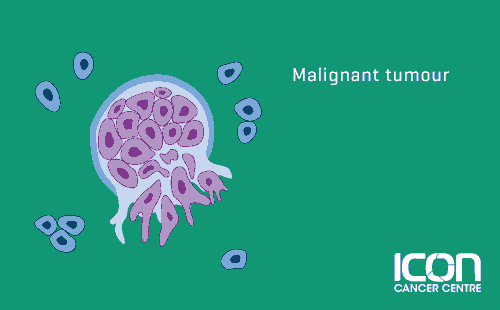
These tumours are made up of cancer cells. They may grow into nearby tissue and can spread to other parts of the body.
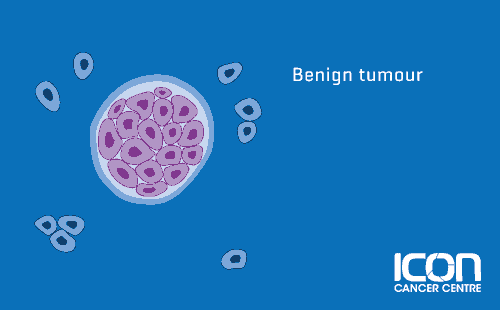
Benign tumours are not cancerous and do not spread to other parts of the body. Benign tumours only become a problem if they grow very large, taking up space and affecting the way the body works.
Cancer may also affect blood cells, causing blood cancers such as leukaemia, lymphoma or myeloma. These blood cancers also cause normal blood cell production to be reduced due to the uncontrolled growth of the abnormal (malignant) cells in the bone marrow.
Over time, the uncontrolled growth of cancer cells usually becomes too much for the body to cope with, or will spread to a part of the body that is essential for life.
Oncology is the branch of medicine that focuses on the diagnosis, treatment and research of cancer.
This includes medical oncology, radiation oncology, haematology and surgical oncology.
An oncologist is a doctor that specialises in treating cancer. Oncologists support patients from diagnosis, through treatment and into survivorship as part of a multidisciplinary team. While some oncologists specialise in certain types of cancer (e.g. breast cancer), others treat a wide range of different cancer types. Oncologists also conduct research into cancer to improve our understanding of the disease and its treatment.
Doctors who specialise in treating cancer using radiotherapy.
Doctors who specialise in diagnosing and treating solid tumours, such as cancers of the lung, breast or bowel, using medicines including chemotherapy, immunotherapy and hormone therapy.
Doctors who specialise in diagnosing and treating conditions affecting the blood, bone marrow and lymphatic system, including blood cancers such as leukaemia, lymphoma and myeloma. Some haematologists are also involved in stem cell or bone marrow transplant care.
Doctors who specialise in removing cancerous tissue through surgery.
Have questions about accessing cancer treatment or becoming a patient? We're here to help. From understanding your diagnosis to exploring your care options, our team will guide you every step of the way.

Disclaimer
Content found on the Bowen Icon Cancer Centre website is for informational purposes only and should not be considered medical advice. It is not a substitute for consultation with a qualified medical practitioner. For personalised medical guidance, please consult with your GP or another qualified healthcare provider.


